
The Fashionification of Football
6/18/2026
For decades, football’s influence on style happened indirectly. People copied the hairstyles of their favorite players, bought jerseys, and followed stars off the pitch.
This year’s World Cup is proving to be different. Fashion isn’t orbiting football anymore, it’s embedded within it.
National teams arrived in coordinated wardrobes. Luxury houses collaborated directly with federations. Campaign imagery looked closer to editorial than sport. The visual identity surrounding the tournament became almost as discussed as the games.
The World Cup isn’t just being watched anymore, it’s being styled.
France, Styled
No collaboration captured this shift better than France (of course).
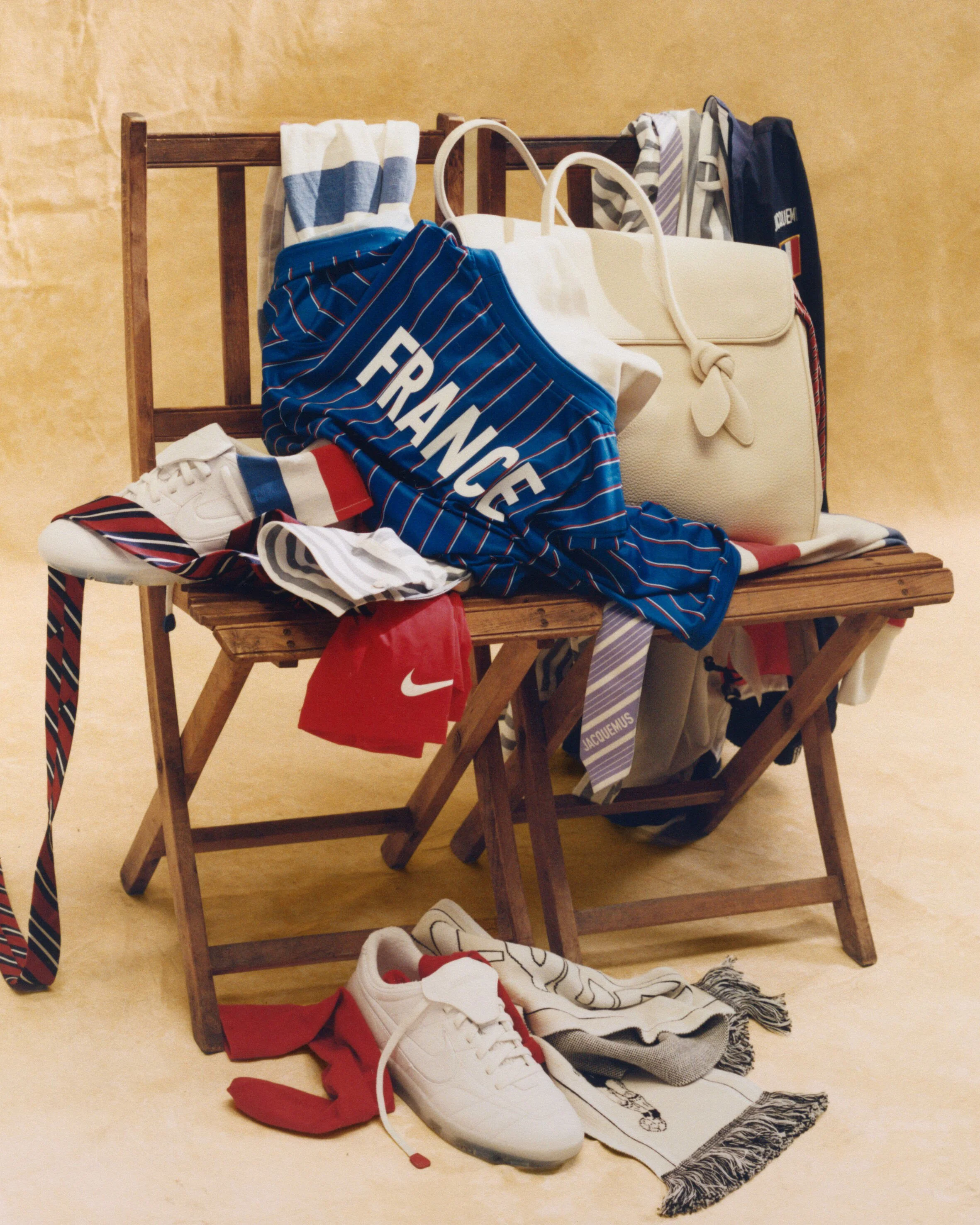
Through Nike’s partnership ecosystem, the French National Football Team collaborated with JACQUEMUS to create official off-pitch looks: Les Bleus by Jacquemus.
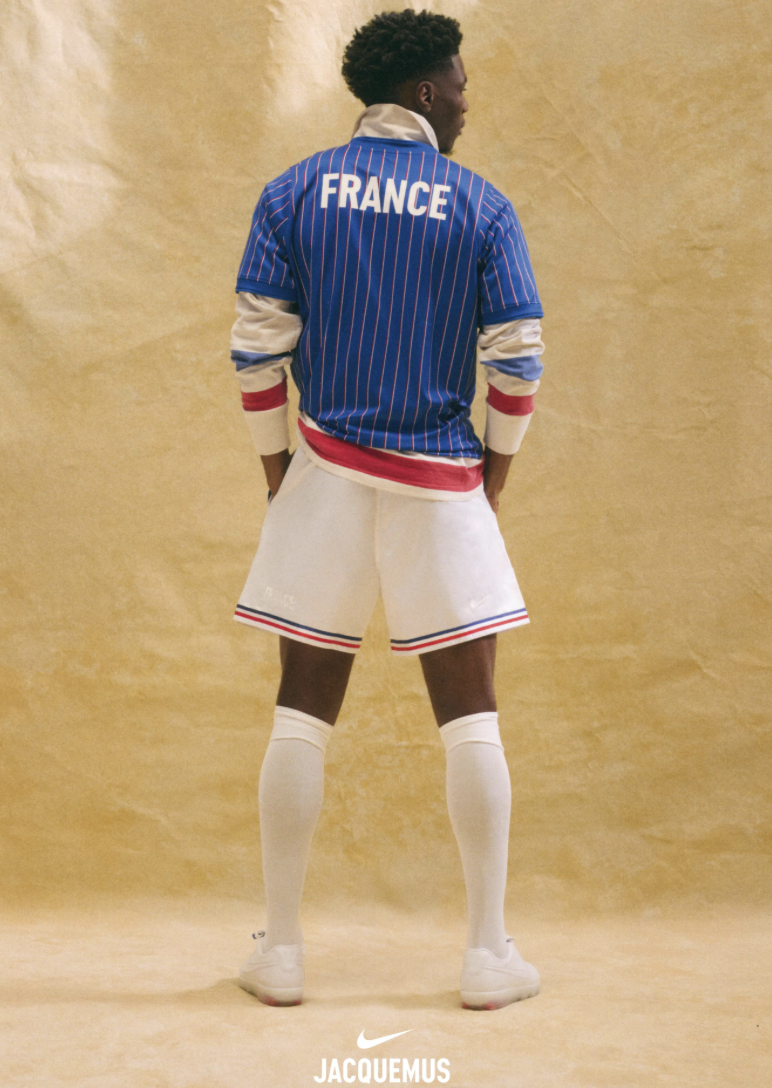
Image courtesy of @lofficielhommes
Rather than treating travel attire as an afterthought, the collection transformed arrival dressing into part of the tournament itself.
A statement of national identity.
France has always occupied a unique position culturally: football excellence paired with one of the strongest fashion legacies in the world. The collaboration made that relationship visible and proved how naturally the two worlds overlap.
Then came the arrivals. And unexpectedly, the most talked-about accessory: bags.
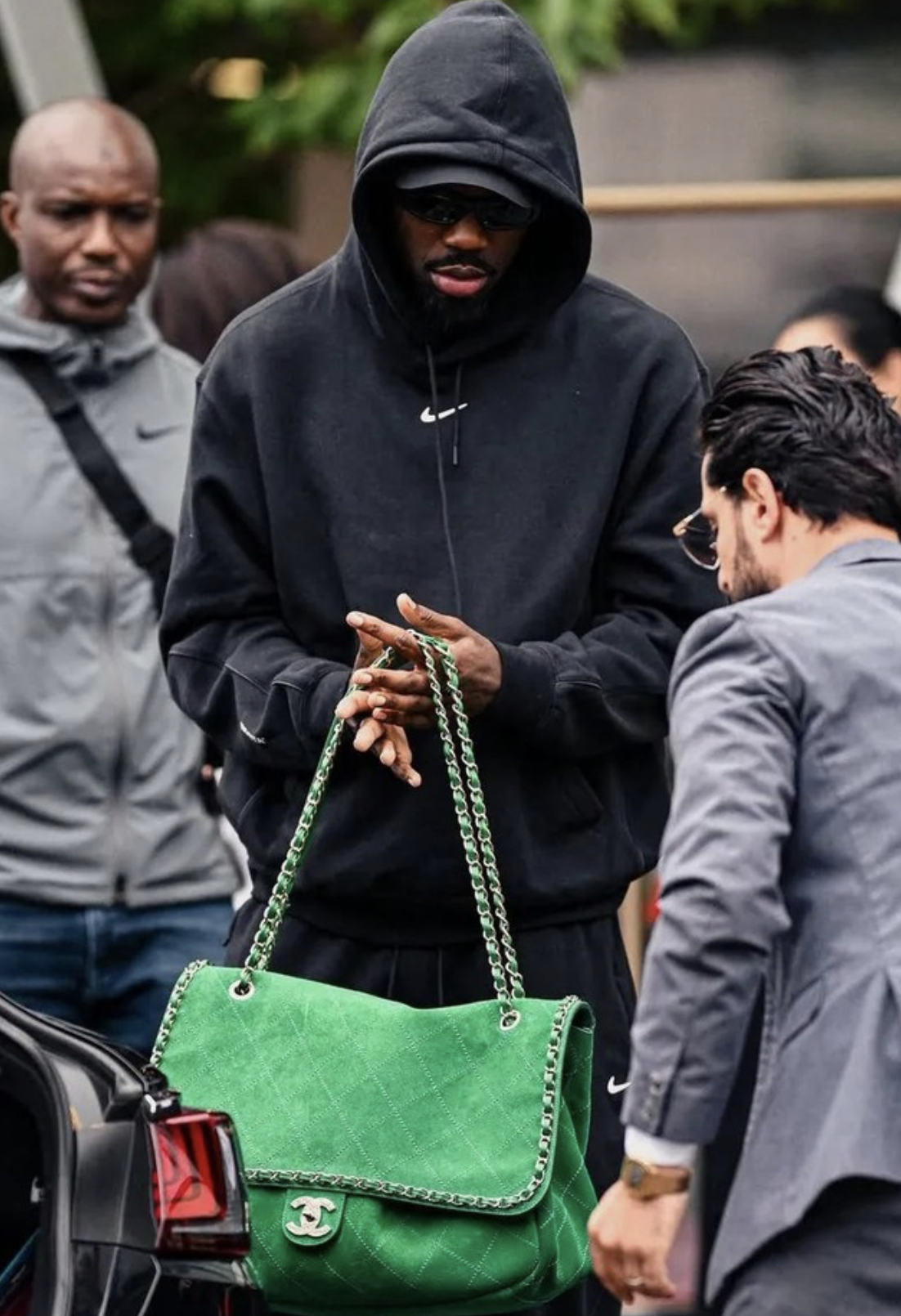
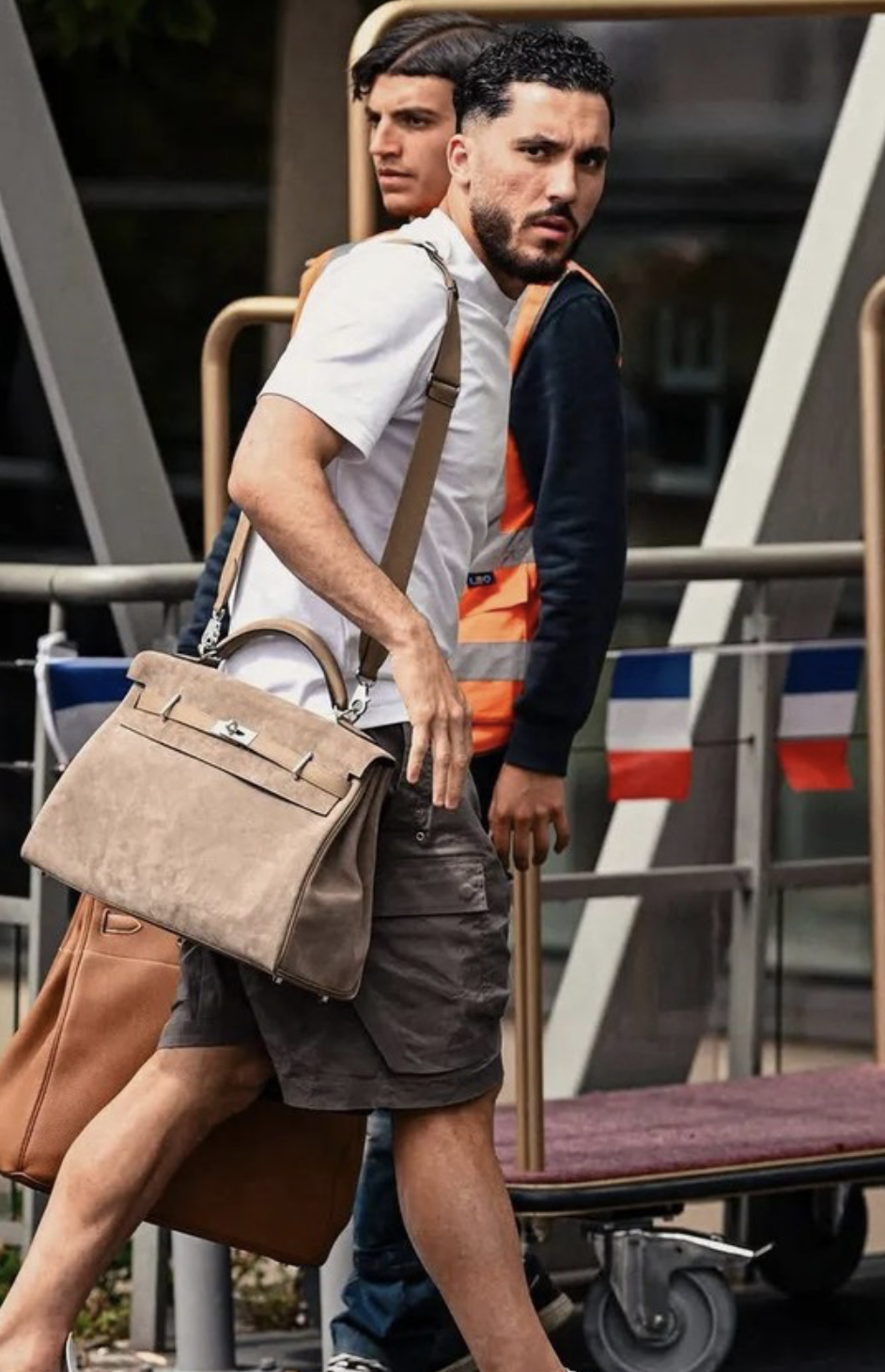
Luxury bags became one of the biggest visual stories of tournament arrivals for France. Images of players carrying oversized Hermès, Chanel, and designer accessories spread almost instantly online, turning airport entrances into runway entrances.
Suddenly, football entered fashion week territory.
Adidas Understood Mythology
If Nike expanded football into lifestyle, Adidas turned football into cultural storytelling.
Its Backyard Legends campaign didn’t feel like a traditional sports commercial.
Led by Timothée Chalamet and bringing together Lionel Messi, Jude Bellingham, Lamine Yamal, Bad Bunny, and football icons across generations, the campaign collapsed sport, music, fashion, and nostalgia into a single visual universe.
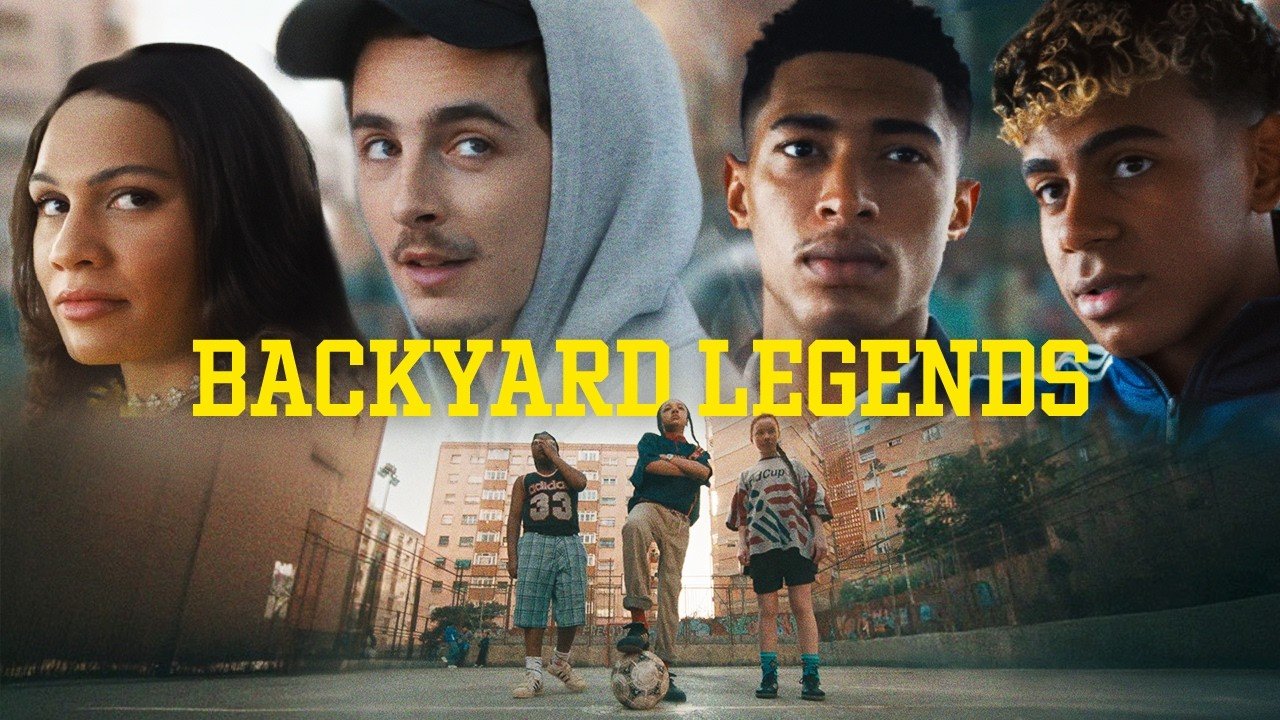
Adidas Backyard Legends Thumbnail
And the setting wasn’t a stadium, it was the neighborhood pitch. 90s styling. Archive references. Analog nostalgia.
Adidas built a campaign around something fashion understands exceptionally well: mythology.
Not showing the game itself, but showing the worlds that form around it.
Football is no longer speaking only to football fans. It’s speaking to fashion, film, and internet culture all at once.
On The Cover
It would be wrong of me to not mention Kenan Yıldız amidst all of this. He became the first man and first footballer to appear on the main cover of Vogue Türkiye.
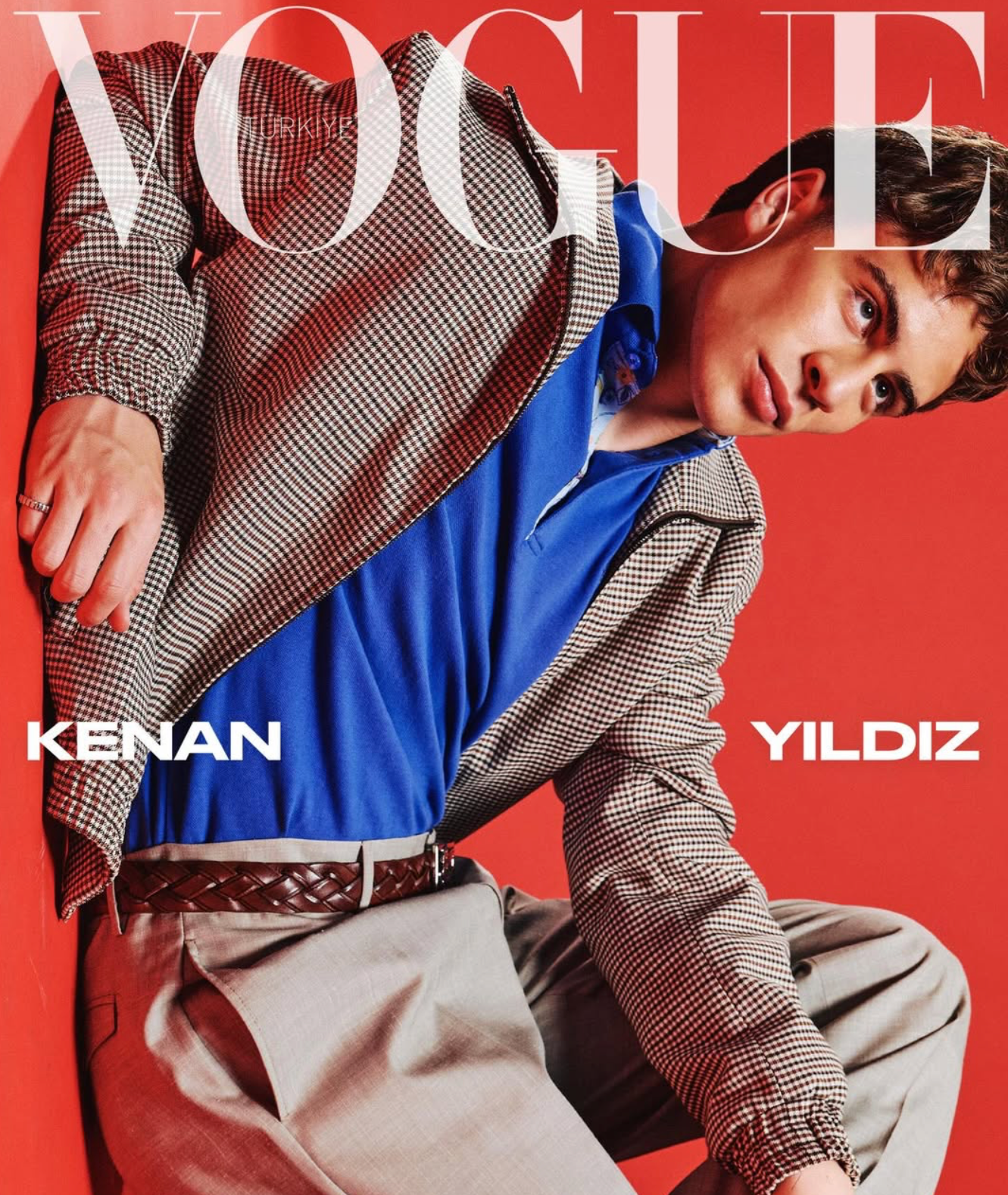
Image Courtesy of @vogueturkiye
Shot ahead of the World Cup and styled almost entirely in tailored looks from Etro, the cover positioned Yıldız less as an athlete and more as a fashion subject.
Importantly, the distinction matters. For decades, fashion occasionally borrowed from football through campaigns, jerseys, and celebrity appearances. Now, footballers themselves are becoming part of fashion’s visual language.
Not as ambassadors or collaborators, but as editorial figures in their own right.
Arrival as Performance
One moment that deserves more credit: DR Congo’s matching custom leopard-print suits by designer Alvin Junior Mak.
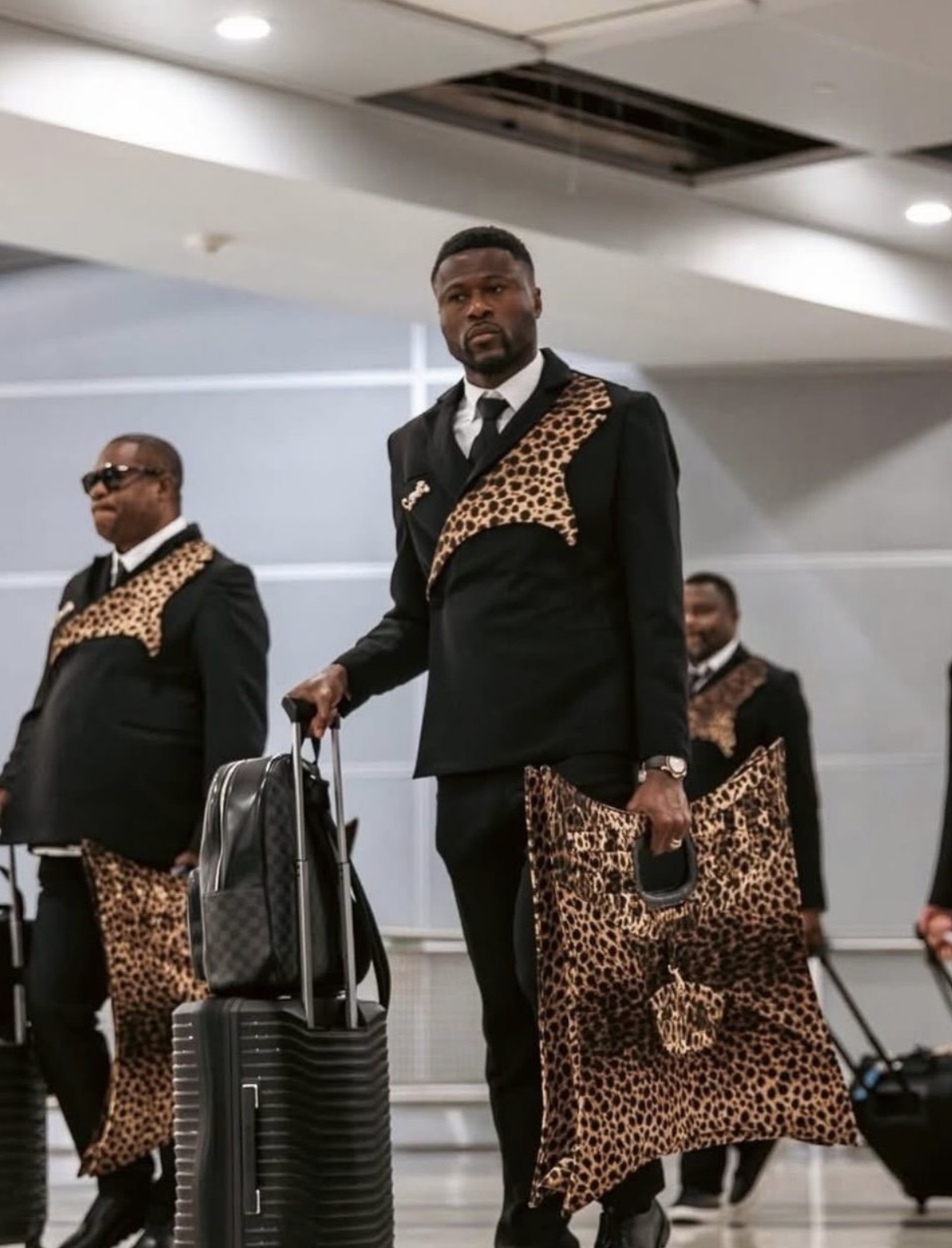
Image Courtesy of @tacosattire
Travel dressing elevated the team’s identity and turned arrival into performance.
The match no longer begins at kickoff, it begins when the team steps off the bus.
Brazil, Spain, Portugal, and Norway arrived with the same intention: even before the first whistle, style became part of the story.
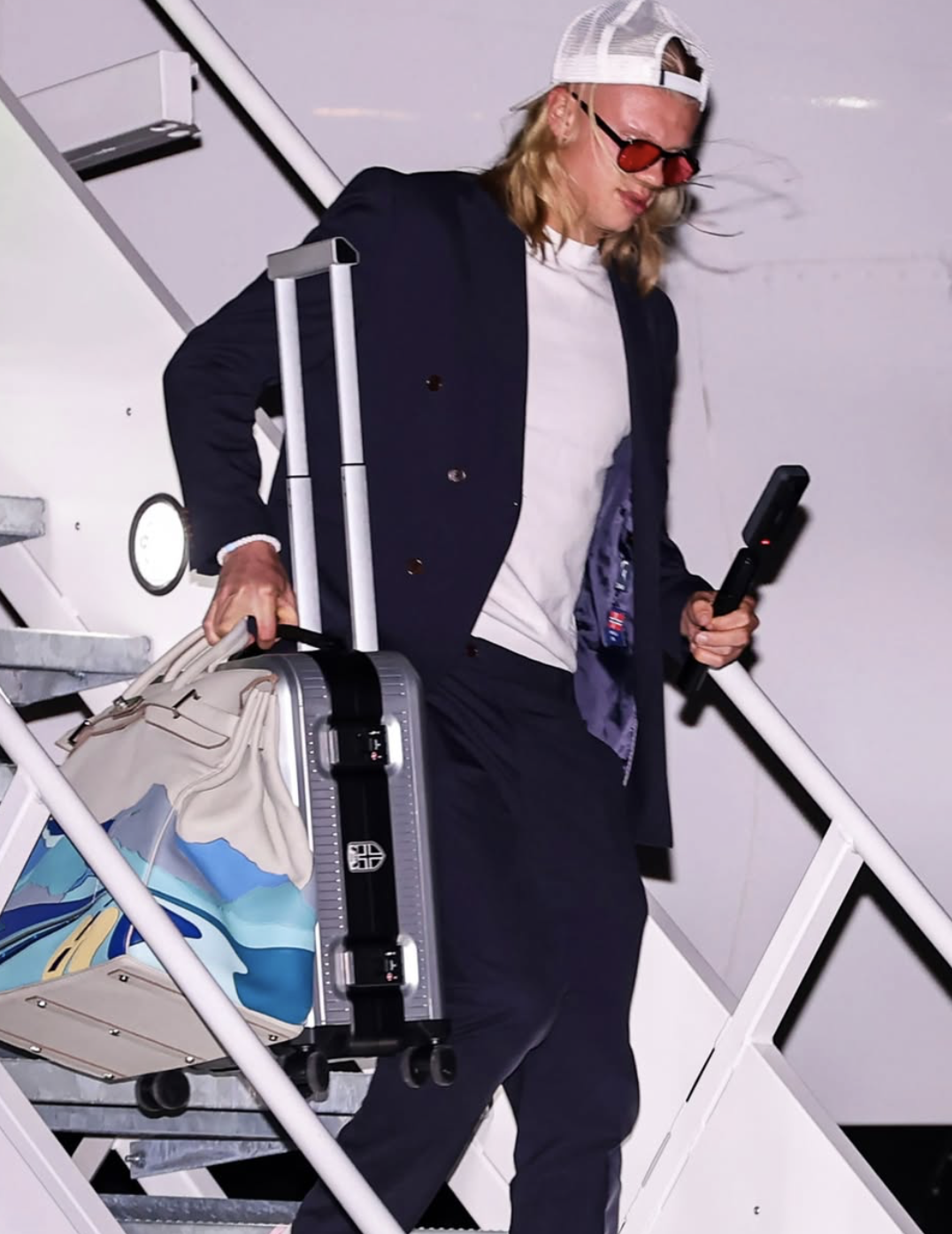
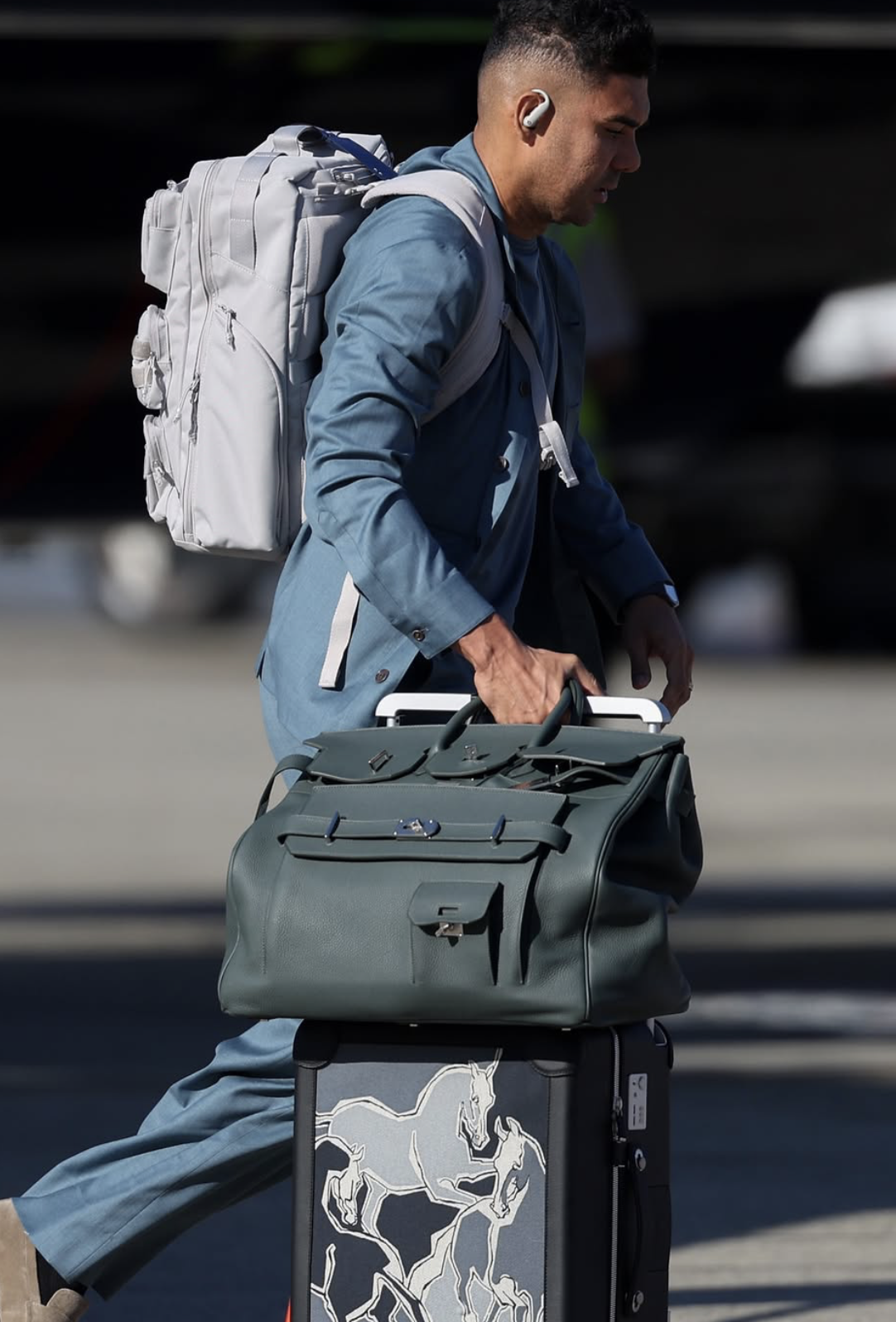
Image Courtesy of @Voguearabia
—
The World Cup has always reflected identity and culture.
This year, it became something bigger: a language football and fashion now speak fluently. The future of the fashionification of football is looking bright.